


Stress isn’t just a feeling.
It’s a full-body biological event that, when prolonged, can quietly reshape your brain, alter your physiology, and set the stage for chronic disease.
Short bursts of stress are normal—healthy even—and can help you perform optimally. However, when the stressful demands never let up, and your nervous system doesn’t get a chance to reset, stress shifts from a temporary state into a default internal climate.
And that climate can be corrosive.
As we enter a season when everybody’s schedules tighten, obligations multiply, and recovery times shrink, it’s the perfect opportunity to understand how everyday stress becomes long-term dysfunction and what you can do to interrupt the cycle.
The Stress Response: Friend at First, Harmful Over Time
When your brain detects a threat—physical, emotional, or perceived—it flips on your body’s stress response, which includes activating the sympathetic nervous system and the HPA (hypothalamic-pituitary-adrenal) axis. Your cortisol and adrenaline levels surge. Digestion slows. Blood pressure rises. Muscles brace for action. Your brain shifts blood flow away from the thinking brain and goes into survival mode.
This is beneficial in the short term when there really is a life-or-death threat. It’s an evolutionary advantage that helped your ancestors survive.
The problem arises when we have a stress reaction too frequently in our modern lives: a snide comment by your partner, running late for a meeting, or the growing credit card bill. When stress becomes an almost constant state and chronic condition, it has negative, lasting consequences for your brain and body.
When stressors stack and recovery windows shrink, your body learns to live in a state of high alert with the sympathetic nervous system “on” all the time. Chronic activation of the HPA axis leads to what’s called allostatic load. That’s the technical term for the cumulative wear and tear stress has on your body’s systems. Over weeks or months, this biological strain becomes the fertilizer for disease.
When Stress Becomes Chronic, Your Biology Shifts
Cortisol No Longer Protects—It Damages
The same cortisol that helped our ancestor’s survive is now damaging in excess. In your brain, it:
-
Shrinks the hippocampus (memory center)
-
Weakens the prefrontal cortex (decision-making, impulse control)
-
Overactivates the amygdala (fear center), and
-
Impairs sleep, energy metabolism, and blood sugar regulation.
Research shows prolonged high cortisol is linked to anxiety, depression, cognitive decline, weight gain, digestive disorders, and immune dysfunction.

Inflammation Becomes Your Body’s Response
Chronic stress triggers a persistent low-grade inflammatory state. Inflammation is the common denominator in heart disease, diabetes, autoimmune disorders, depression, and neurodegeneration.
The Nervous System Gets “Stuck”
Instead of moving flexibly between activation and rest and recovery (parasympathetic nervous system) , your nervous system locks into a sympathetic (stress) of overdrive. This is why stress often creates cycles of:
-
Irritability → exhaustion
-
Insomnia → fatigue
-
Overwhelm → shutdown
-
Pain → tension → more pain
Key Mechanisms to Know
Before stress becomes a diagnosable disease, it quietly changes your body in predictable ways. Understanding how this happens helps you understand why functional lifestyle medicine is so powerful. Here are the most important biological mechanisms driving stress-related disease:
• Chronic inflammation
Science shows that prolonged stress elevates inflammatory cytokines, weakening immune defenses and accelerating disease processes.
• Neuroplasticity changes
Research tells us that chronic stress reshapes neural circuits, reducing your brain’s cognitive flexibility, emotional regulation, and resilience.
• Endothelial dysfunction
Studies have proven that stress hormones impair the lining of blood vessels, increasing cardiovascular risk.
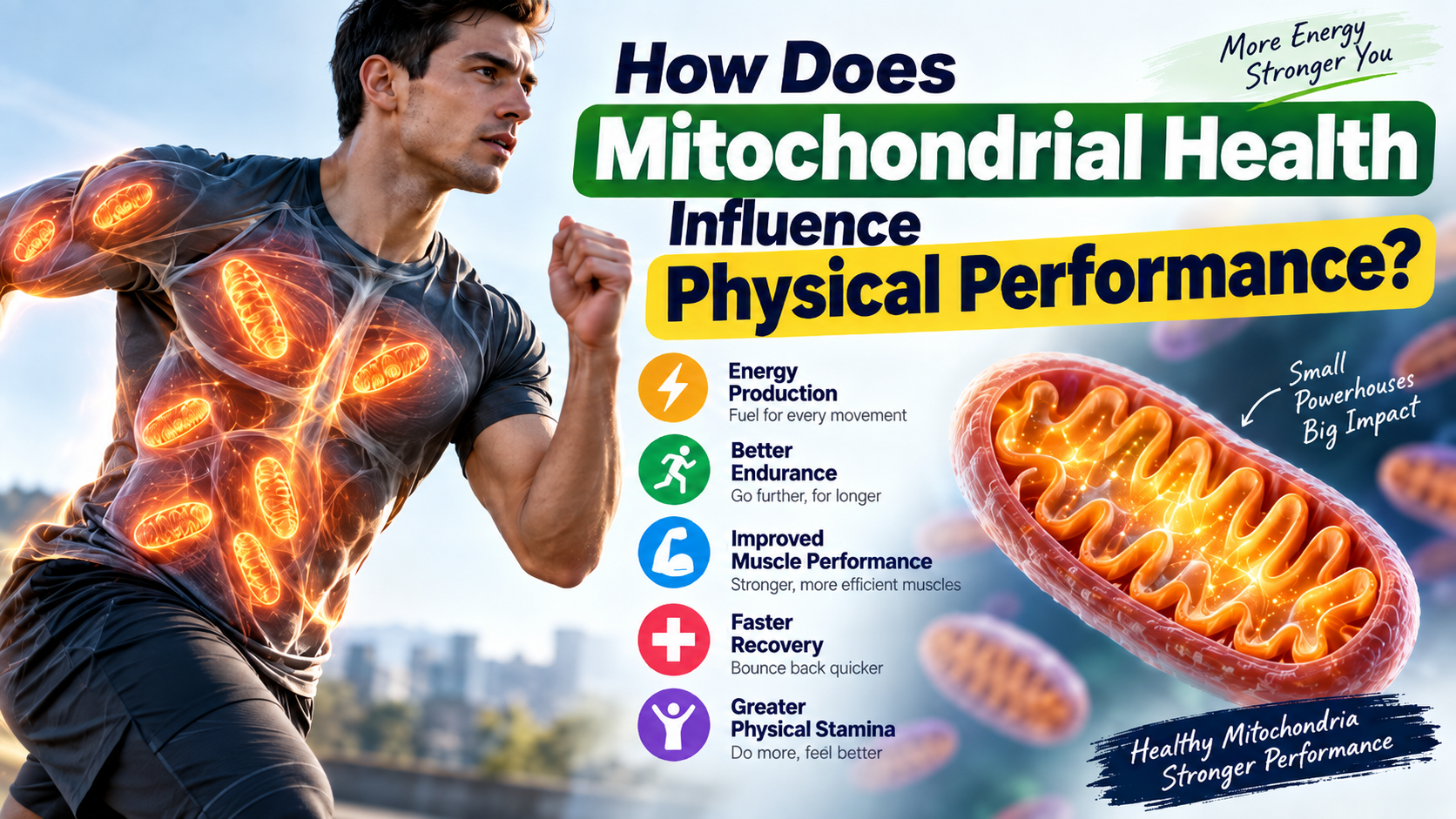
• Mitochondrial strain
Science shows that cells become less efficient at producing energy, contributing to fatigue, brain fog, and metabolic dysfunction.
• Behavioral feedback loops
Stress often leads to habits like poor sleep, emotional eating, social withdrawal, and reduced physical activity. These behaviors create a cycle increasing stress further and pushing the body into deeper imbalance.
These mechanisms unfold silently. Most people don’t recognize the early warning signs—tightness in the chest, digestive changes, emotional exhaustion, sleep shifts—until symptoms have stacked for months and become impossible to ignore.

Mental and Physical Disease: How Stress Shows Up in Real Life
Science tells us that prolonged stress contributes to or exacerbates:
Mental Health:
- Anxiety disorders
- Depression
- Impaired memory and focus
- Mood instability
- Burnout
Physical Health:
- High blood pressure and heart disease
- Insulin resistance and weight gain
- Digestive issues (reflux, IBS, gut dysbiosis)
- Chronic pain, headaches, muscle tension
- Hormonal imbalance
- Weakened immunity and slower healing
Stress is both a cause and amplifier of disease, which is why interrupting the cycle early is so important.
Lifestyle Medicine: How to Protect Your Brain and Body
The research is clear: the single most effective way to prevent stress from becoming disease is by adopting consistent, manageable lifestyle practices that lower inflammation, regulate the nervous system, and promote cellular repair. These practices form the foundation of functional medicine, and they’re the heart of our work at WildHeart Wellness.
1. Move your body regularly
Exercise reduces inflammation, regulates cortisol, improves sleep, and strengthens stress resilience.Try: 20–30 minutes of walking, yoga, or strength training most days.
2. Prioritize deep, restorative sleep
Sleep is the body’s repair cycle—without it, stress compounds. Try: A nightly wind-down ritual (no screens) in the hour before bed and consistent sleep/wake schedule.
3. Practice nervous system down-regulation
Mindfulness, breathwork, meditation, and somatic practices rapidly shift the body out of fight-or-flight. Try: 60 seconds of slow, extended exhalations (inhale 4, exhale 6) or a brief body-scan to release tension and signal safety to your nervous system.
4. Support the gut–brain axis with nourishing food
A whole-food, anti-inflammatory diet reduces stress chemistry at the cellular level. Try: More fiber, colorful produce, lean proteins, omega-3s, and less processed foods and sugars.
5. Cultivate purpose and connection
Social support and meaning are proven buffers against physiological stress. Try: Reach out to one supportive person today or spend ten minutes doing something that connects you to a personal meaning — a phone call, a walk with someone, time with a pet, or a small act of service.
6. Build micro-rest into your day
Short, restful breaks and pauses can help prevent cumulative overload. Try: Five minutes of slow breathing, stretching, or take a mindful grounding break every few hours.

Final Thoughts: Your Body Can Heal with the Right Support
Stress is not “just stress.”
It’s a biochemical experience that, over time, can corrode your health mentally and physically. But here’s the hopeful truth: the same neuroplastic and physiological mechanisms that allow stress to harm you can also allow you to heal.
At WildHeart Wellness, we help patients understand their stress patterns, uncover source causes, and build personalized plans that repair the nervous system, rebalance the body, and restore resilience. With the right step-by-step practices, stress can becomes a signal guiding you toward deeper health instead of disease.
Your body is built to recover. Your brain is wired to adapt. Your system wants to move back toward wellness. And we’re here to support you every step of the way.
Call us at (717) 786-3199 or contact us online to begin your personalized wellness journey today. In-person sessions are available in Pennsylvania, or connect virtually from anywhere. First consultation is FREE.